“You don’t have to wait for something ‘meaningful’ to come into your life so that you can finally enjoy what you do. There is more meaning in joy than you will ever need. The ‘waiting to start living’ syndrome is one of the most common delusions of the unconscious state. The joy of Being, which is the only true happiness, cannot come to you through any form, possession, achievement, person, or event – through anything that happens. That joy cannot come to you – ever. It emanates from the formless dimension within you, from consciousness itself and thus is one with who you are.” Eckhart Tolle
Over the decades of my life, I am grateful to have learned that things are hardly ever as they appear at first. I have countless examples of this and a favorite fable to illustrate the point. There are many versions of the fable, but ultimately, the twists and turns of the story show us the cultivated mindset with which the main character responds to each event that occurs: “It is not good, it is not bad; we don’t know the whole story!” When his horses are stolen, when they return to him with many more in their midst, when his Son is drafted for war, when the Son returns wounded, the man simply says: “It is not good, it is not bad; we don’t know the whole story!” Wiser words have never been spoken, as the saying goes, maybe except for the Eagles’ song lyrics: “Every Form of Refuge has its Price!”
I find that when I am able to remember to withhold my judgment of a new event, situation, or person, often the situation and my perspective will change over time. I am not often as good at remembering, but when I do, and I save myself a lot of angst and get to observe that shift in either situation or my perspective, I feel pure joy and gratitude. I feel grateful for fables that teach us emotional wisdom exist (though I am not referring to texts that demand suppression of one’s identity and agency, claimed to be set forth by a conveniently unreachable entity). In this section, I am capturing the seemingly mundane parts of life that have a miraculous impact on my sense of purpose and quality of life. My Grandfather long ago ensured I would understand the path to lasting joy: gratitude. It took me forty years to truly understand what he meant, and I am still his student every day. …but with the Chapters I have captured from inside of me onto these web pages, I have cleared out room to collect simple joys in their place. That’s the best I can do to interrupt what I inherited and have passed along. I was not self-aware in time to not cause damage, but I did begin to collect better life tools to pass those along to my beloved Children as they were entering their teen years. My most heartfelt wish is that one day they fully embrace those tools (in the Opportunities Chapter; Chapter IX) and keep seeking their own path to their joys.
The recurring, nearby sound of wheels on a metal track flanked by diesel bus engines purring on the road made predominantly by public transit in my hometown were among the first sounds I associated with joy and living. Life was happening, and I could participate at anytime, the sounds reminded me.
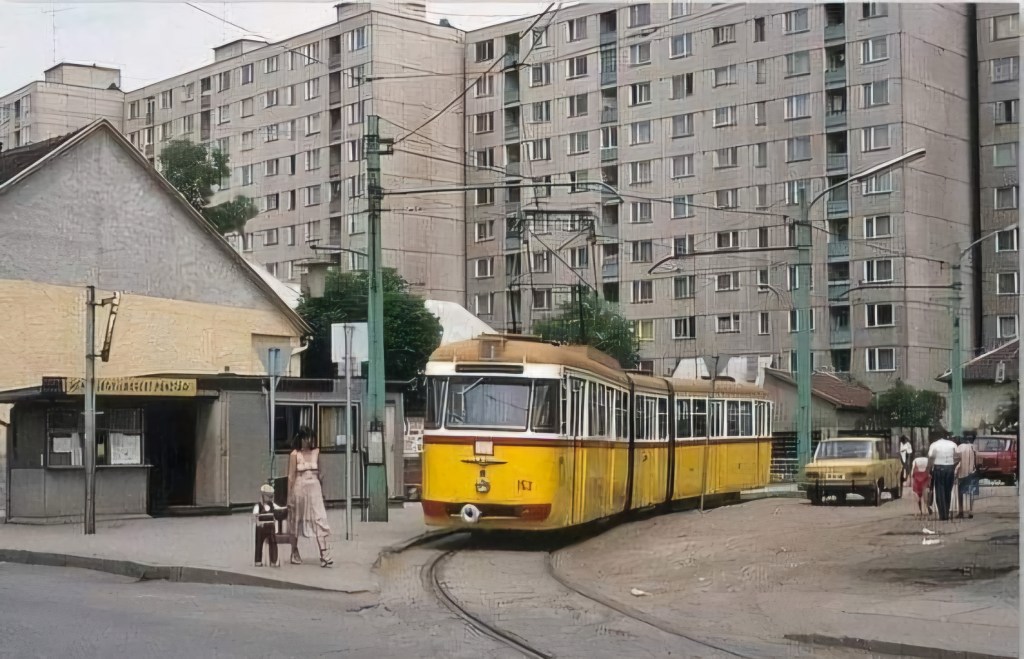
From before I could read, those transit sounds meant freedom to me. As a child in Hungary, I began riding city busses and trams by myself at the age of six and for eight years thereafter, most every day, in all its forms. When I moved to the US, I lived in places without a robust mass transit system, and the reliance on cars felt crippling, even after I became a driver and a vehicle owner. Thankfully, for a dozen or so years now, I’ve lived off of a snow route with a dedicated Washington DC Metro bus route. We have planes, trains and automobiles, even ships, all around us. I feel the same joy and energy I did as a child when I hear the bus coming through our neighborhood, multiple times an hour, sometimes stopping to use its hydraulics to ‘kneel’ for a passenger embarking or disembarking. Bus and train wheels and automatic doors are music to my ears and reassurance I am not dependent on my ability to drive and to afford a car. This is especially comforting as I see elderly people struggle with decisions around driving and the added expense of logistics when they no longer do so, but they live in an area without mass transit. While most people wish to flee the city, it’s my refuge. I feel better knowing I’m within minutes of a level 1 trauma center should my Family members or I need one, and we have twelve different modes of transportation to get us there.
I have always loved noticing the sky, clouds, and moon. I cannot remember whom to credit for cultivating this habit for me as a child, but I’m grateful for it. There is something nurturing about the consistency associated with those larger-than-life elements, as well as an acceptance they will always change.

No two days are alike, no two clouds are alike, and the moon never looks the same, yet, overall, there are patters to their existence. I love that combination of getting to count on their presence, but anticipating they will appear to be different than when I observed them last.
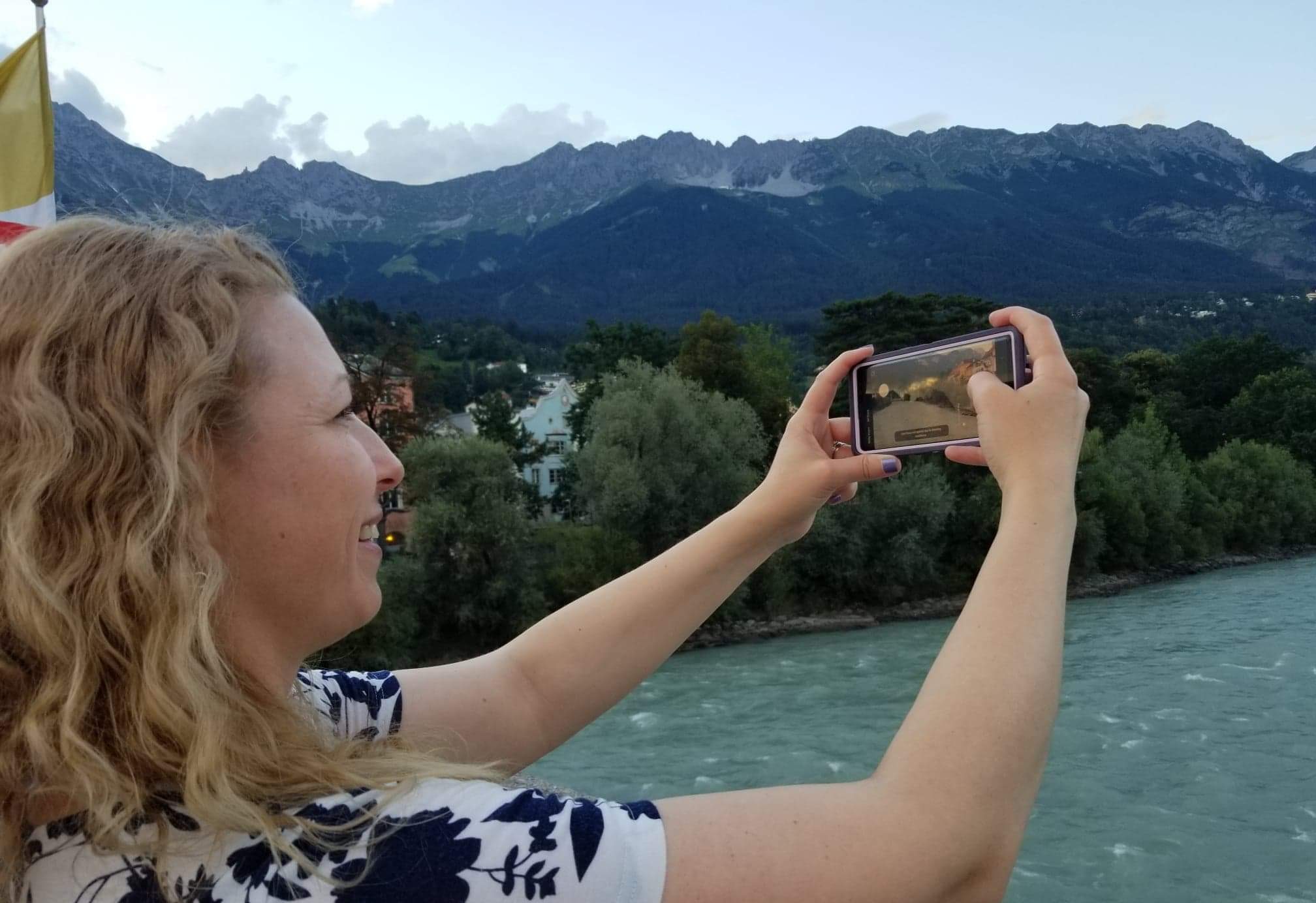
Whoever thought cell phones should have cameras was a genius. The last digital camera I bought was in 2007. I barely used it, as that was the year I bought my first smartphone. From that point on, I was snapping pictures for better or for worse, but ultimately my cell phone camera became both an instrument of and a reminder for me to look for beauty everywhere, all the time. Since 2007, I have chosen each new cell phone I own based on its camera capabilities, and I always spring for the extra memory.
I take pictures whether I am walking in my neighborhood or getting on mass transit for the millionth time. I also take pictures at just about all events I attend. I find it interesting how few people have pictures of themselves; I like snapping a flattering, contextual photo and give it. It is my way of saying: “I see you!” I also recognize not everyone feels comfortable looking like a tourist at every turn. I take pictures at airports and airplanes as if I was a first-time flier. I capture building architectural details, the moon, and art in odd places. It’s long been a way to stay connected to my (now adult) Children and my Friends.
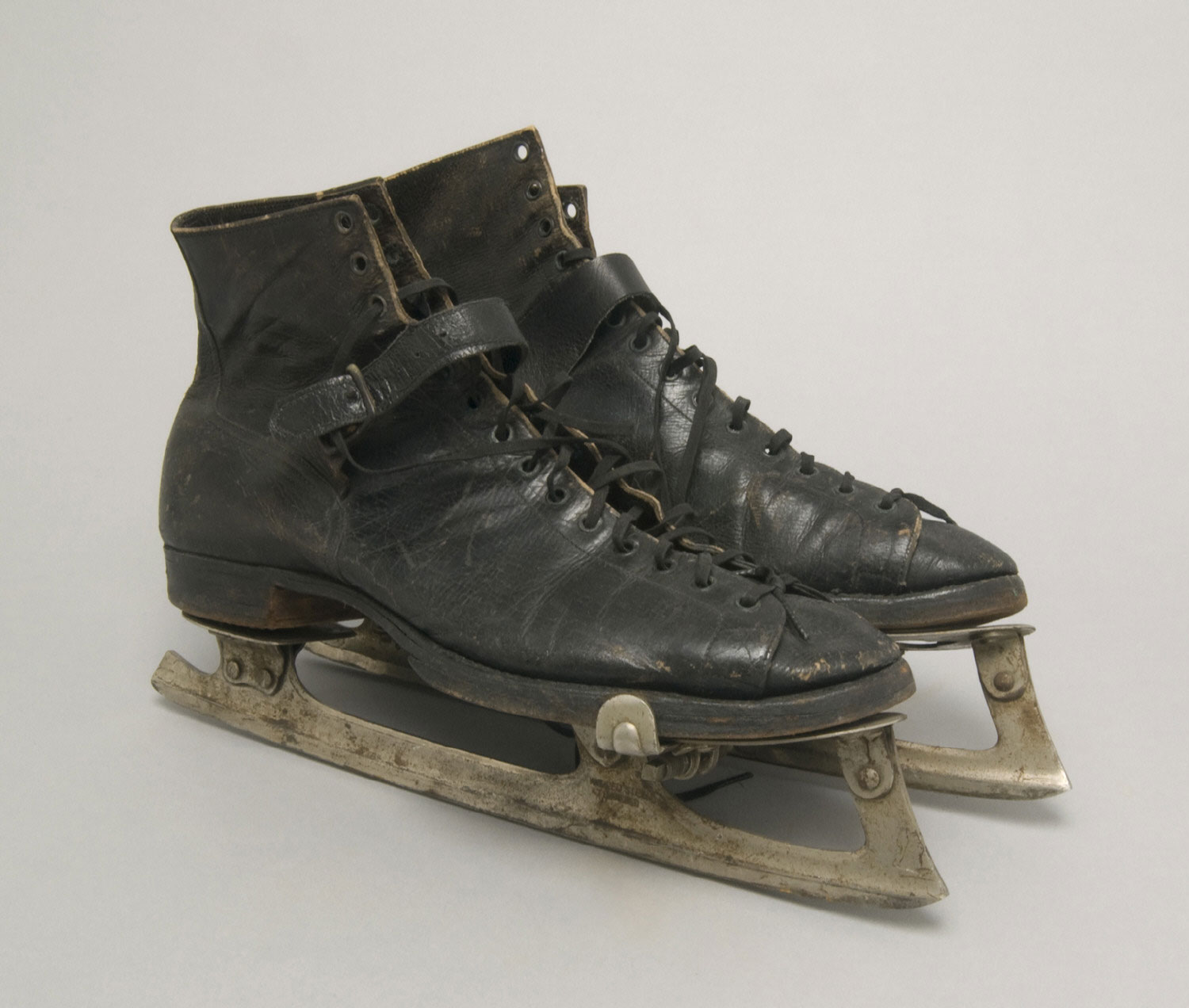
Ice-skating was a gift of Hungary’s relatively Northern climate, a national pastime and a refuge for me. As a little girl, I had blades similar to this one, that also bolted onto shoes:
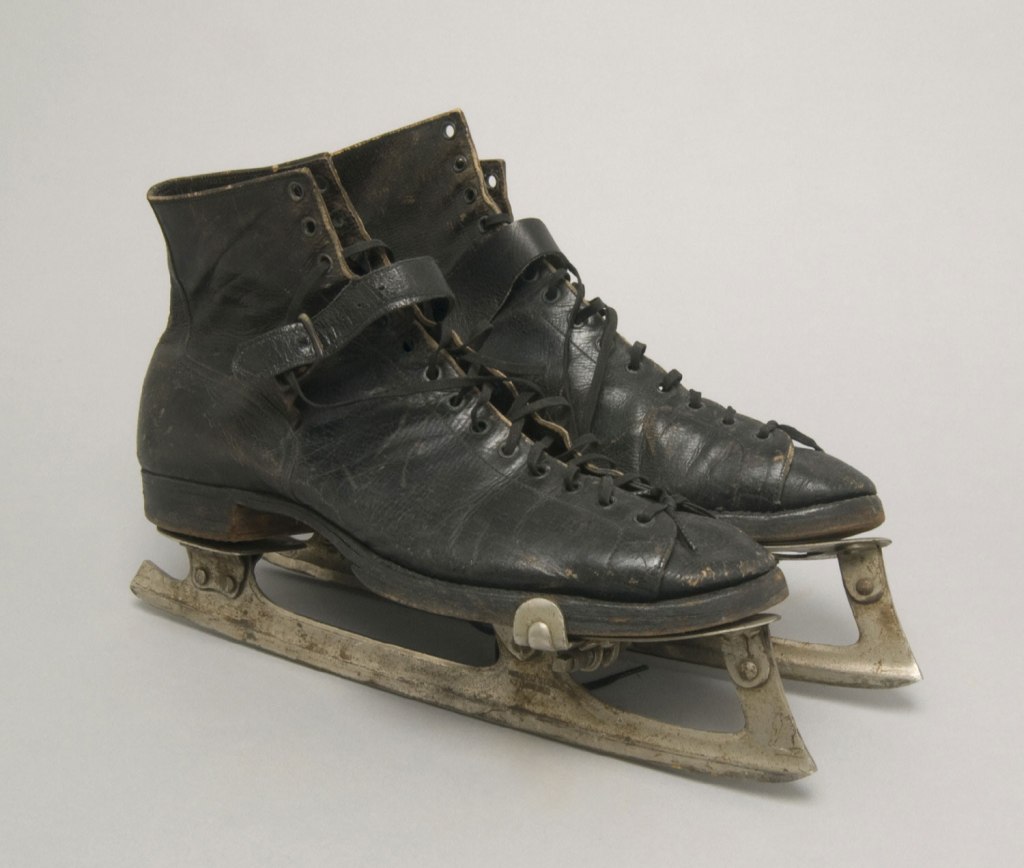
They were good enough for learning by shuffling. Then, I was given a pair of used figure skates at around age six, and I took to it with great gusto. I do mean gusto, as I was never inspired to twirl or wave ballet-like arms; I was interested in speed. I skated most every night, as the ice rink only shut down for the summer months, and even then, there was a summertime rink one bus ride away. Our skating rink was within walking distance from our flat; it was an effortless stroll for me to go, a welcome exit from real life, and a place no one expected me to work on my skill or do much of anything, except be safe. Though hockey was not a girl’s sport in Hungary in the 1970s and 80s, the public rink was open to all most every night. Entry for ice skating in the large cities was heavily subsidized, therefore almost free compared with the cost in the US. I was very much at home on the ice rink. It helped that my Brother’s Grandmother worked in coat-check to supplement her retirement, and she was a very sweet lady, always happy to see me. She would never take my 2-Forint coin.
My Father, paradoxically, loved being in nature. He enjoyed early Spring and late fall sunshine as well as periodically digging a ditch or doing some other handiwork for my Grandmother. My Father also routinely maintained his own vehicle and was his own vehicle body shop, storing fenders and other piece-parts for his Wartburg. These activities were quite surprising to me from a man who relished every credential he could put on his business card, degrees and certifications hard earned, and who was a ferocious reader and a sophisticated writer. Yet, he would eventually pause his internal strive and want to be part of the physical world. He could be so still then.
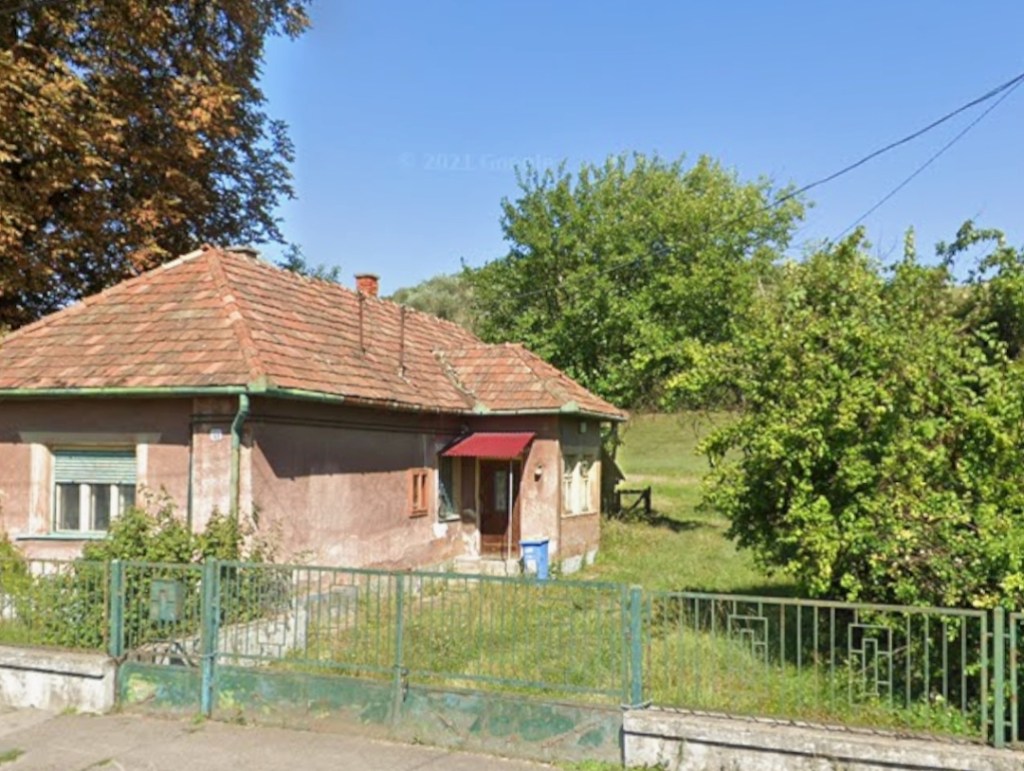
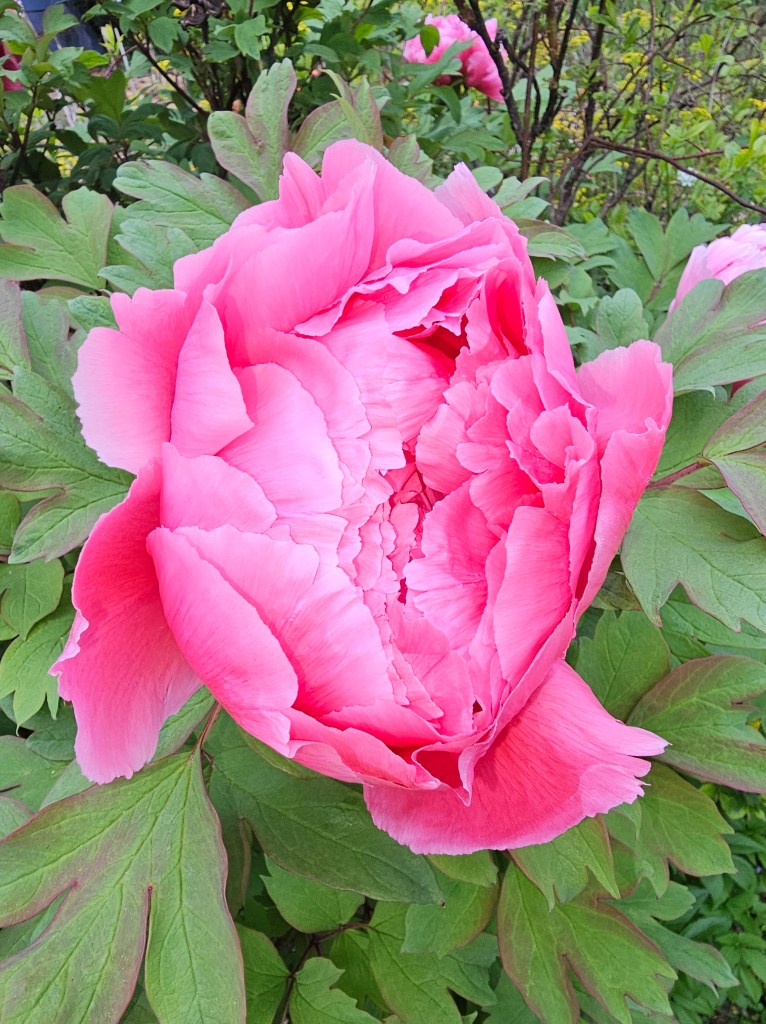
I have a snapshot memory of my Father, in his full suit (the level of formality with which he dressed most of the time), sitting in my Grandmother’s yard. His back was to the early Spring sunshine, and he rested on the chair he turned around so the chair’s back supported my Father’s arms. The sun was radiating with abundant nurture, warming my Father’s wool-covered back. Without the direct sun, it would have felt cold. Without his stillness, he would have missed out on the embrace of all the beaming rays. ….but it was perfect. I remember resting my child-soul. He was OK in that moment, therefore so was I. This is not only a happy memory for me, but I, too, love the same weather, and I cherish all the beauty nature abundantly provides. Beauty is truly everywhere; not yelling at us like a TV commercial or a TikTok video, but allowing us to be ready to seek it out and receive it to the degree we are ready. I cherish those pauses; that calm when you know something larger than you is ever-present and you rest in the arms of that universal life energy. That’s pure joy.
In Hungary in the 1970s and 80s, the state-run television always provided a variety show on New Year’s Eve, running from early in the evening to well past midnight.
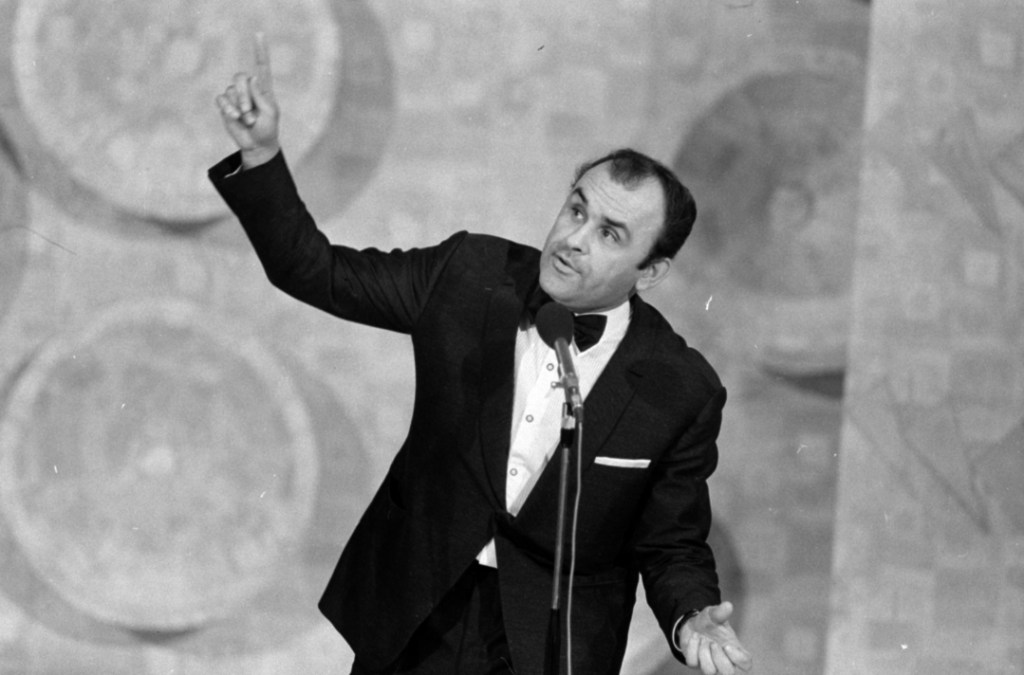
The programming was kid-friendly enough and purposefully uplifting, and my Father didn’t mind parttaking in it, like most Hungarians did. Earlier that day, vendors would line the city downtown main street, and I was allowed to buy streamers, hats and noisemakers for that night’s festivities. My Father would prepare comfort foods and snacks for us to eat in front of the TV. Sometimes it was baked potatoes in their skin we would spoon out; later, we’d crack walnuts. Maybe we had chocolate, but we definitely had chestnuts. My Father was notorious for making one-dish meals; often, the snacks were in the same vein: simple, but delicious. Evening like this were my all-time favorite. When my Children were born and throughout their childhood, I often arranged for silly-food-and-movies nights with them. Without missing a single opportunity, we always celebrated New Year’s Eve this same way. My Wife and I still do, silly food and all, and it’s wonderful when one or more of our now adult Children come home to enjoy it with us. It’s simply the best.
Twentyseveral years into my career, my most fulfilling activity is mentoring young women who are professionals; often, they are also Moms, Wives, Daughters. Sharing with them insights one can only gain by traveling the road itself, I hope, provides them a moment’s rest, validation, and ultimately, resilience. I let them know they are in the most challenging part of their lives and explain where I am coming from in saying so. We talk about the physical and mental strains they put forth in their personal lives and the uncertainties they juggle professionally. Challenges and trade-offs abound. I encourage them to pick their battles, and I make them aware of unseen labor they may alone be shouldering in their Families. I give context to workplace issues, which may or may not be in their control, and I recommend ways to address something in their lives they deem ripe for change. I so often see myself in their shoes, but I’m years down the road, with all of the benefit of hindsight. I let them know exactly that. I also give them a glimpse at what their lives will eventually be like, so they don’t think the most demanding part will last forever. Knowing that, I hope they choose to savor the everyday a lot more than I realized I should. My hard-earned knowledge now does me very little good, but hopefully, one person at a time, I can help someone else change their perspective about their thirties, forties and so on. That makes me feel like my journey produced good. I can do good.
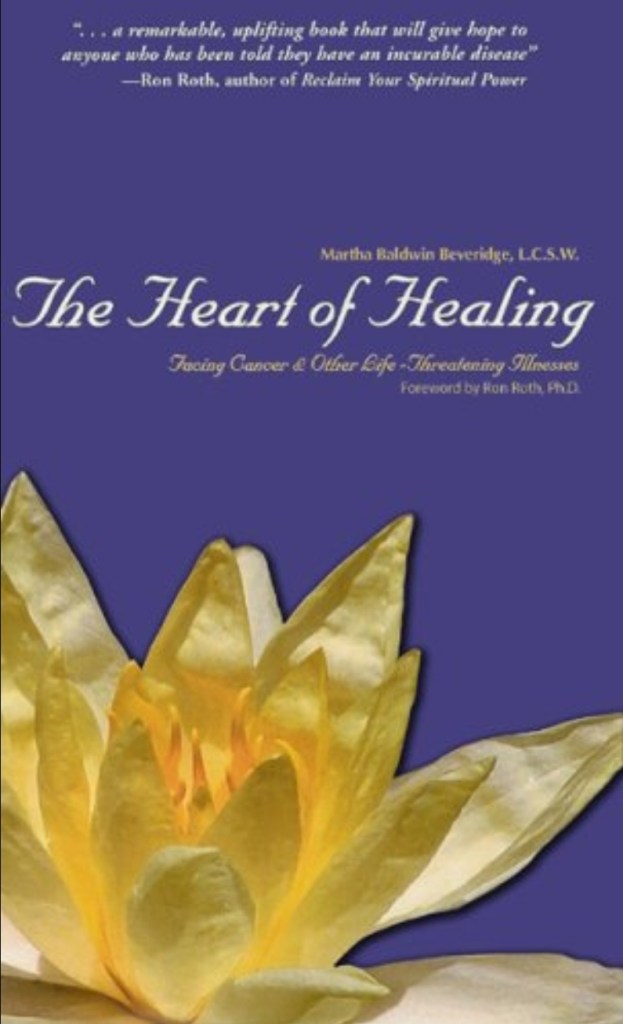
I was fortunate to learn about the mind-body connection in my early thirties, and for nearly twenty years, I have been slowly cultivating habits that honor the physiology of stress. In other words, I believe in the body reacting to, and most importantly, storing our negative emotions, unless we deliberately work to process them through, and out. My late Therapist, Martha Baldwin Beveridge, wrote a book about how Cancer had been her Teacher and about the contribution of her stockpiled emotions to her ailing health. She detailed the importance of not allowing unresolved stress to become stored in our cells. I was there for her book-signing launch for what would become her last book.
Finding healthy and sustainable ways to make everyday stressors external to the body is one of the tenets of Eastern Medicine, and I am grateful to have been learning about its role, alongside, not in place of, Westen Medicine. I have off and on incorporated acupuncture into my preventive health care for the better part of the last twenty years, and even the writing I do here is part of my approach to ensuring I am moving all of my emotions through, much like a catalytic converter is there to complete combustion on gasoline cars, to therefore reduce environmental pollution. I’m my most healthy, inside and out, when I am deliberate about acknowledging and honoring my feelings and finding ways to permit them to depart my body. Walking or running, any sweat-producing activity is wonderful for this, as are any artistic and creative pursuits, playing instruments, or even the laughter brought on by something simply silly. I am grateful I was introduced to the mind-body connection early enough to impact my own long-term health, and of course, I share it with anyone interested in listening. We all have different approaches to our individual life journeys, but I have found most people will readily visualize their stress piling and polluting their precious body systems, which is the root of illness.
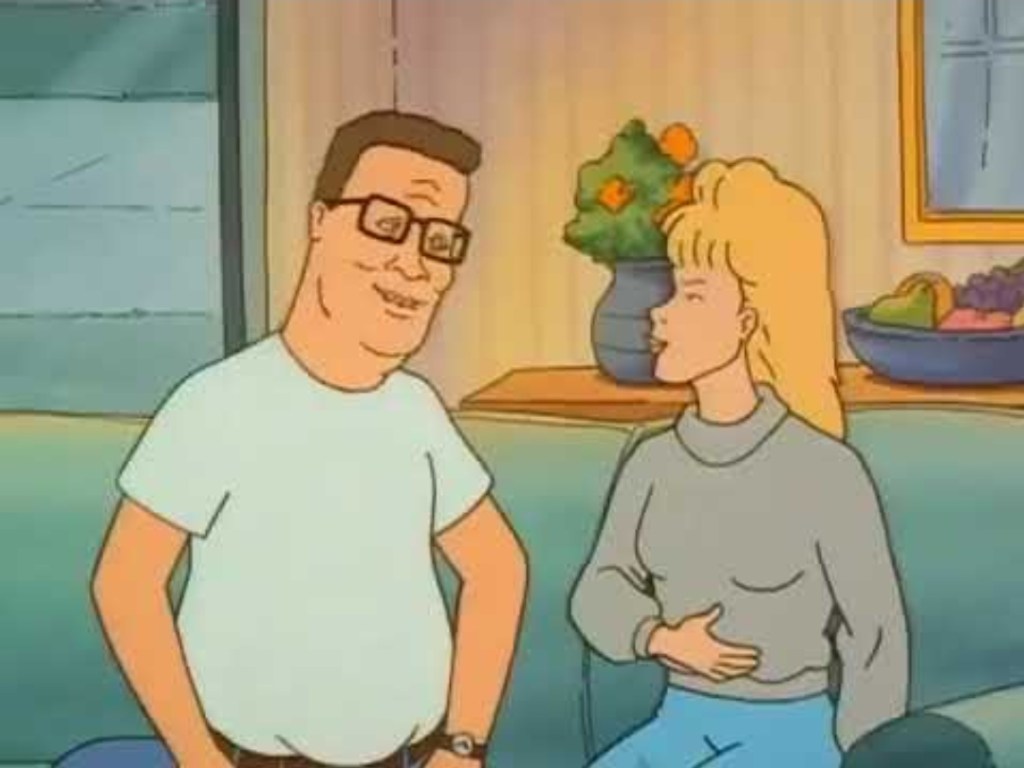
Credit to the King of the Hill animated show writers and producers for tackling this issue early on, showing Hank Hill in season one episode five, Luanne’s Saga, as he explains to his heartbroken Niece how to repress her emotions like he does:
“HANK: Luanne, sometimes life throws you a curve ball. Now there’s two ways you can deal with it. You can cry — and that’s the path you’ve chosen — or you can not cry.
LUANNE: How do you not cry?
HANK: Well, instead of letting it out, try holding it in. Every time you have a feeling, just stick it into a little pit inside your stomach and never let it out.
LUANNE (trying it): Are you supposed to have a pain under your rib?
HANK: Yes. That’s natural. The body doesn’t want to swallow its emotions. But now you go ahead and put that pain inside your stomach, too.
LUANNE: I think it’s workin’, Uncle Hank. I feel sick, but not sad.”
Of course, repressing his emotions has come at a great cost to Hank, and his Wife and the audience are made aware of it through this brilliant episode, among many of King of the Hill.
It brings great joy to me to pass along to others the tenets of the mind-body connection so they may decide whether they wish to pursue more knowledge about it, maybe even make some daily habit changes. I am so grateful to have been pointed to this inner-healing wisdom early on; the best way I know to show my gratitude is by passing the knowledge forward.
“The moment judgment stops through acceptance of what it is, you are free of the mind. You have made room for love, for joy, for peace.” Eckhart Tolle

 One More Perspective

Leave a comment